
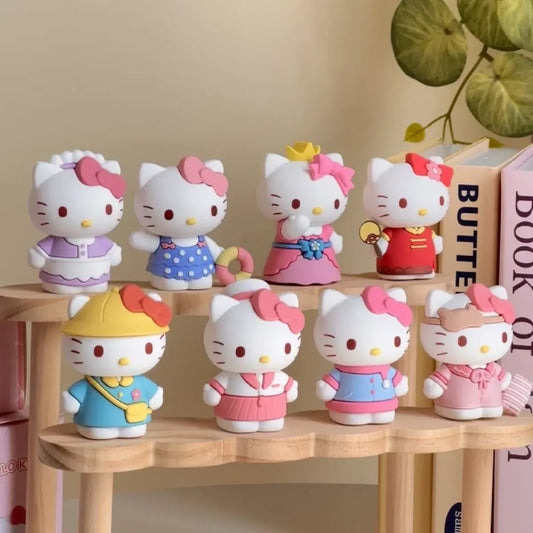
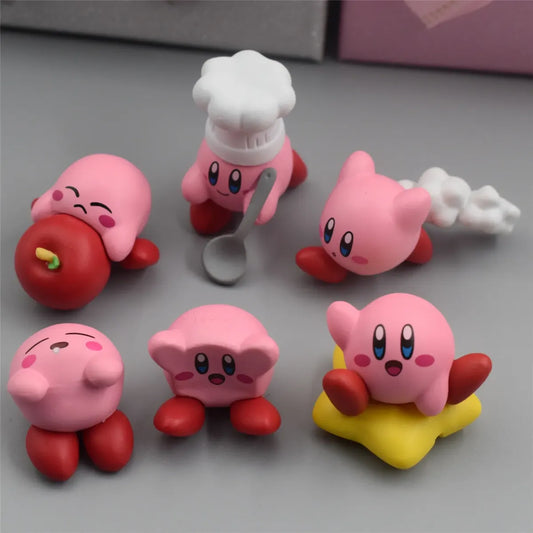
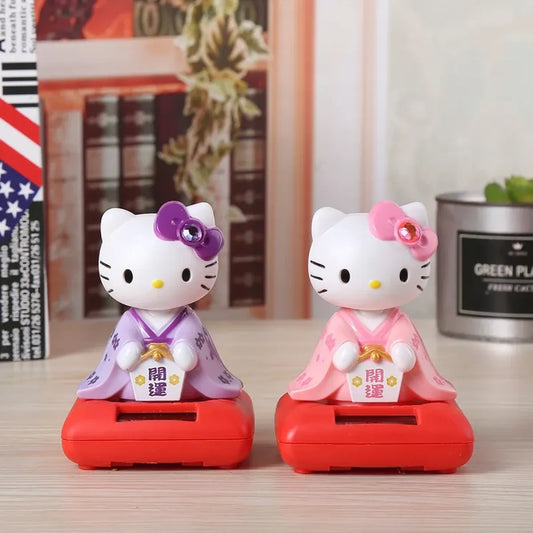


What Is Kawaii Fashion? A Real-World Guide to the Kawaii Aesthetic
If you’ve ever saved a pastel outfit on Pinterest, obsessed over a character’s wardrobe in an anime, or felt personally called out by a cute bow, you’ve already brushed up against what is kawaii fashion. Kawaii fashion is more than “cute clothes” - it’s a whole vibe, a style language, and honestly a little mood booster you can wear. In this guide, we’re breaking down the kawaii fashion meaning, where it comes from, how it’s different from “just cute,” and how people actually style it day to day (yes, even if you’re not going full head-to-toe pastel).
Think of this as your friendly Kawaii 101 starter pack: clear definitions, cultural context, and practical styling tips you can use immediately.
Quick shopping pathways (no pressure, just helpful): browse “kawaii fashion” · see “harajuku fashion” · peek “kawaii accessories”
Table of Contents
What is kawaii fashion (definition + meaning) Where kawaii comes from (Japan + pop culture roots) Kawaii vs cute (the difference people miss) Signature elements of kawaii outfits Popular kawaii substyles (sweet, edgy, and everything between) Why kawaii fashion matters right now (TikTok, GRWM, creator culture)
What Is Kawaii Fashion? Definition and Kawaii Fashion Meaning
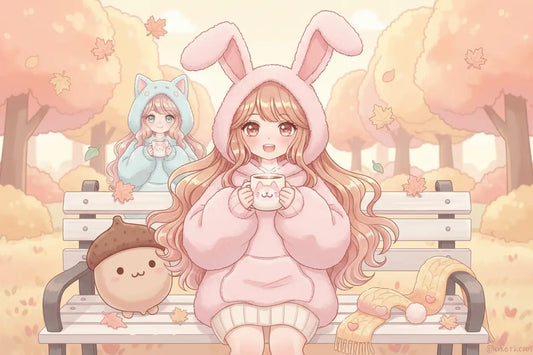
So, what is kawaii fashion in plain terms? It’s a fashion style inspired by Japanese “kawaii” culture, where cuteness is expressed through colors, silhouettes, prints, accessories, and playful details. It can look sweet and pastel, bold and graphic, nostalgic and toy-like, or even dark-cute (yes, spooky can be kawaii too).
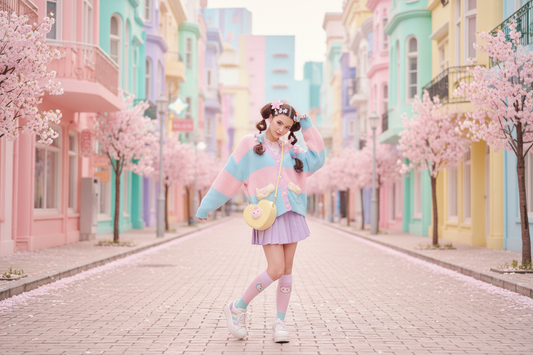
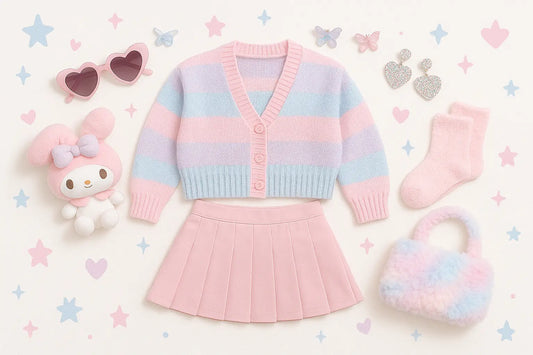
The kawaii fashion meaning isn’t limited to one outfit formula. Instead, it’s about communicating softness, whimsy, and personality through styling choices. That might be a baby-doll silhouette with a heart bag, a graphic tee with a character print, or a layered look with bows, lace, and cute socks. It can be subtle or maximal, depending on your comfort level.
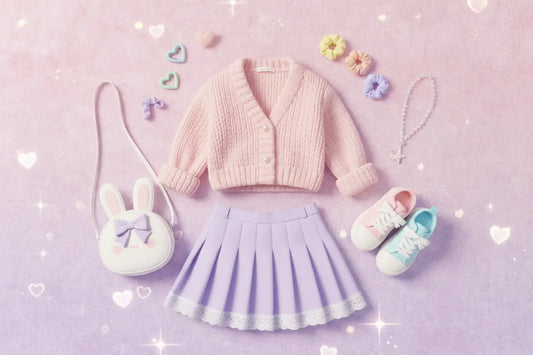
Style tip: If you’re new, start with one “kawaii anchor” piece (like a cute bag, a pastel cardigan, or statement hair clips), then keep the rest of your outfit simple. That’s the easiest way to feel like you, just cuter.
If you want a quick visual direction, exploring common keywords helps you spot patterns fast: pastel kawaii, kawaii skirts, and cute cardigans. Even if you’re not shopping, these searches teach your eye what the aesthetic looks like across different outfits.
Where Kawaii Comes From: Japan, Street Style, and Pop Culture
Kawaii fashion is closely tied to Japanese youth culture and street fashion scenes, especially places like Harajuku, where personal style is treated like art. Over time, kawaii became a full cultural concept - not only in fashion, but also in stationery, characters, music, and everyday aesthetics. That’s why kawaii outfits often feel “designed” in a way regular cute outfits don’t. The goal isn’t just to look nice - it’s to express a world.
If you’ve seen outfits that mix pastel layers, character motifs, and accessories that look like they came from a candy shop, that’s the influence of Japanese street style. If you’ve seen more polished looks with lace, puff sleeves, and doll-like silhouettes, that’s another branch of the same tree.
Mini glossary: “Kawaii” is often translated as “cute,” but culturally it also implies charm, innocence, and playful sweetness. That nuance is why kawaii fashion feels like an aesthetic, not just a descriptor.
Want to explore the roots visually? Start by scanning: harajuku outfit ideas and Japanese street style. You’ll notice kawaii shows up in both loud, layered fits and simple, soft looks.
Kawaii vs Cute: What’s the Difference?
Here’s the easiest way to explain kawaii vs cute: “Cute” is a general compliment. “Kawaii” is a specific aesthetic language with recognizable styling cues. Something can be cute without being kawaii (like a simple sundress), and something can be kawaii even if it’s not traditionally “pretty” (like a chunky platform shoe with a cartoon charm).
Kawaii fashion usually leans into one or more of these ideas:
- Intentional sweetness: bows, hearts, soft textures, pastel tones
- Playful symbols: characters, cherries, stars, teddy bears, candy motifs
- Youthful silhouettes: oversized fits, puff sleeves, pleated skirts, baby-doll shapes
- Accessory storytelling: hair clips, charm bags, layered jewelry, cute socks
If you’re wondering: The fastest “kawaii upgrade” is accessories. Even a basic outfit becomes kawaii with the right hair clips, bag, or socks. Try browsing kawaii hair clips or cute socks.
Signature Elements of Kawaii Outfits (So You Can Spot It Instantly)
Kawaii fashion can look different person to person, but certain styling choices show up again and again. If you want to identify a kawaii fit in the wild (or build one yourself), look for these “tells.”
1) Color palettes that feel sweet
Pastels are common, but not required. You’ll also see strawberry red, creamy neutrals, sky blues, and sometimes high-contrast black mixed with pink for an edgy-cute vibe. Explore pink outfit ideas or pastel hoodies to see how color changes the whole mood.
2) Soft shapes and layered styling
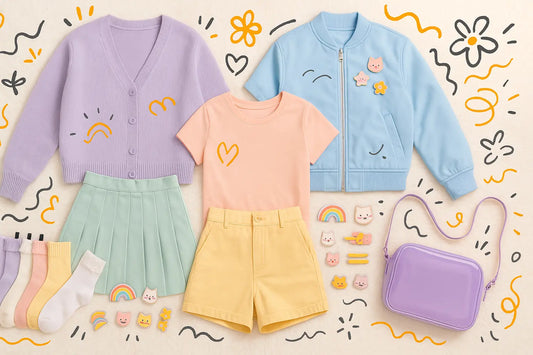
Oversized tops, pleated skirts, puff sleeves, and layered cardigans are super common. Layering matters because it adds dimension and “outfit energy,” even if the pieces are simple.
3) Detail moments that feel playful
Think bows, lace trim, embroidered hearts, character prints, ruffles, charm straps, and cute graphics. Kawaii style loves a “close-up” detail that makes people lean in.
If you want a low-effort formula (that still looks intentional), try this:
- Base: a simple tee, knit, or blouse
- Statement: a skirt, oversized hoodie, or cute outer layer
- Finish: one accessory category (hair, bag, or socks) that ties it together
Popular Kawaii Substyles: Sweet, Nostalgic, Edgy, and Maximal
One reason kawaii fashion stays interesting is that it’s not one aesthetic. It’s a whole universe. Here are a few common substyles you’ll see online (and how to recognize them), plus a search path to explore each one.
Sweet kawaii (soft, pastel, dreamy)
Think pastel palettes, hearts, bows, and a gentle “storybook” vibe. Explore yume kawaii and fairy kei.
Decora-inspired (maximal accessories, playful chaos)
Layered clips, bright colors, and “more is more” styling. It’s expressive and super photo-friendly. Browse decora kei and layered accessories.
Lolita-adjacent kawaii (structured, doll-like silhouettes)
More polished silhouettes with lace, bows, and a “tea party” kind of charm. Explore lolita fashion for inspiration.
Dark-cute (cute meets edgy)
Black + pink combos, punk details, or spooky motifs that still feel adorable. If you like contrast, try pastel goth as a starting point.
Why Kawaii Fashion Matters Right Now (TikTok, GRWM, and the Internet Closet)
Kawaii fashion is having a very “main character” era online, and it makes sense. Short-form video loves outfits with clear visual identity. A cute accessory haul, a pastel layering GRWM, or a “pick my outfit” poll all translate perfectly when your style has strong symbols and recognizable vibes.
Also, kawaii fashion plays nicely with micro-aesthetics. People aren’t choosing one lifelong style anymore. They’re mixing soft girl, coquette, streetwear, and anime-inspired looks depending on their mood. Kawaii becomes a flexible toolkit: swap accessories, change your palette, and suddenly your whole aesthetic shifts without needing a brand new personality.
Creator culture note: Kawaii looks photograph beautifully because details read well on camera. That’s why bows, cute bags, and character prints keep trending in outfit videos.
If you want a gentle next step, start exploring one theme at a time: kawaii hoodies for casual fits, pleated skirt kawaii for classic silhouettes, or character tees for instant personality.
Ready to Explore the Aesthetic (Your Way)?
Kawaii fashion works best when it feels like you. Start small, play with one detail at a time, and build outfits that make you smile when you catch your reflection.
Share This Guide
If this helped you understand what is kawaii fashion, save it for later (Pinterest boards love this topic), send it to a friend who’s building their aesthetic, or use it as a checklist next time you’re planning an outfit photo. (Bonus: it’s a cute caption idea too.)
Tags:
Previous
November Kawaii Edition: Cozy Fits, Cute Vibes & Early Gifting Inspo 🍂✨
Next
History of Kawaii Culture: A Kawaii History Timeline (and the History of Kawaii Fashion)